
Filters
6 products

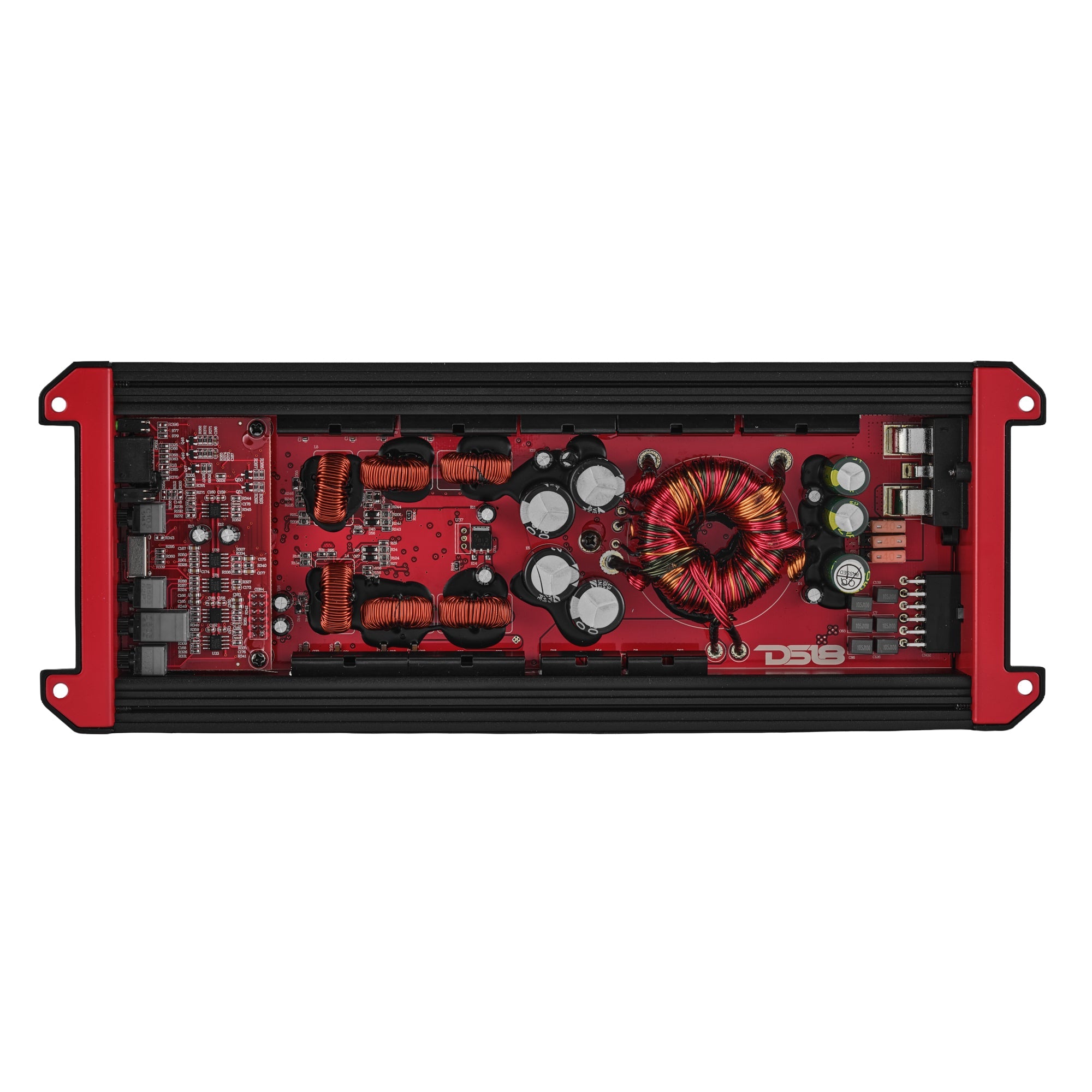


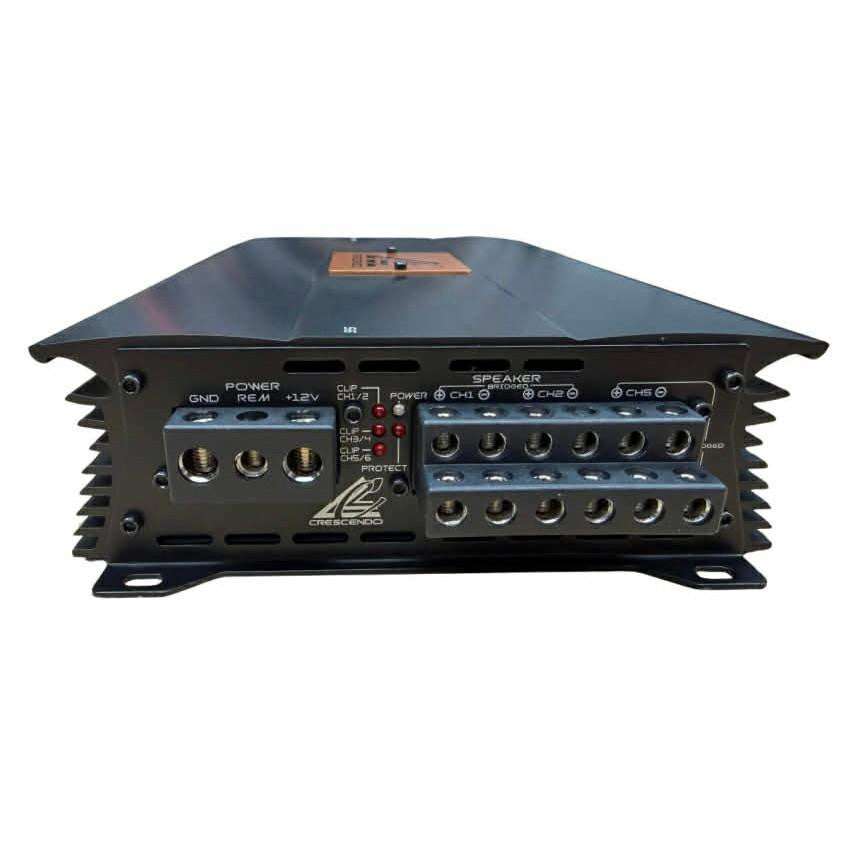
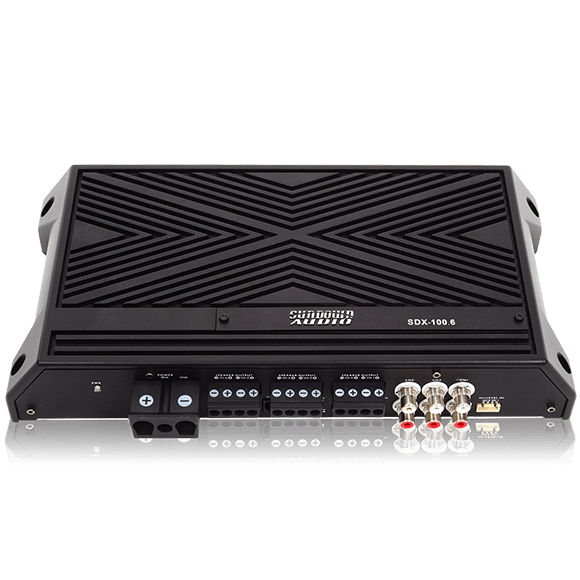
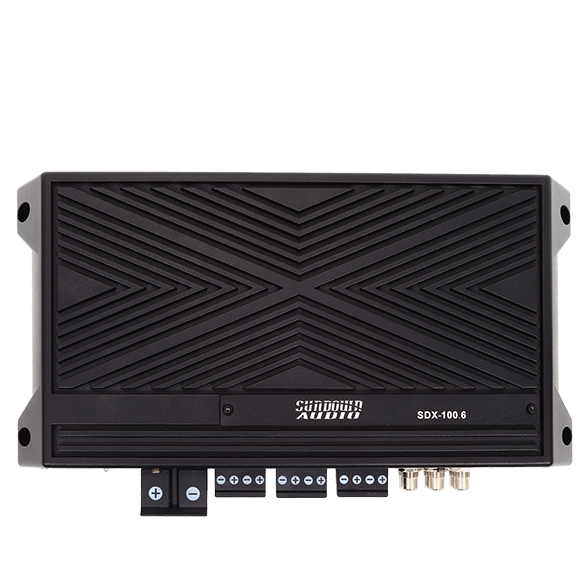
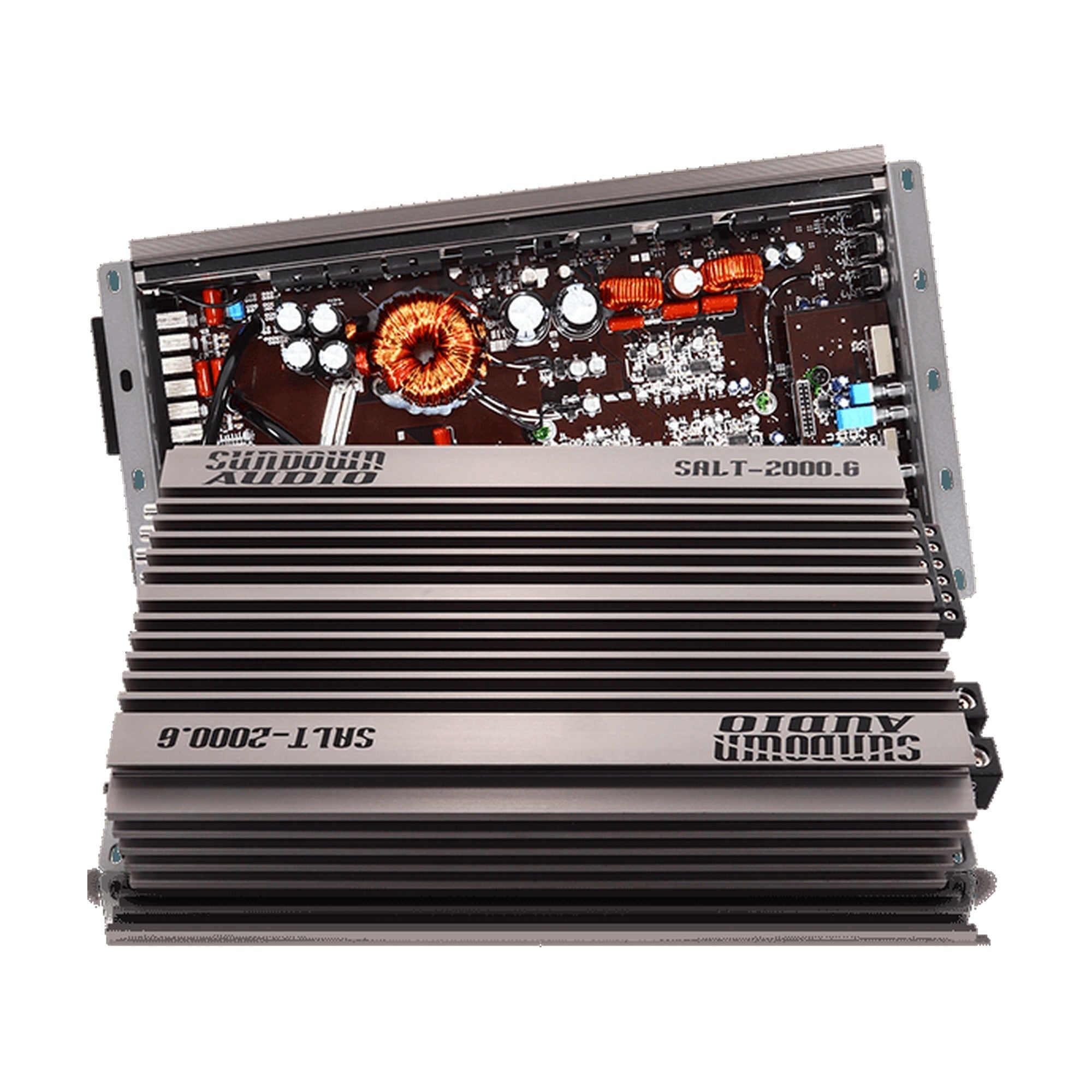
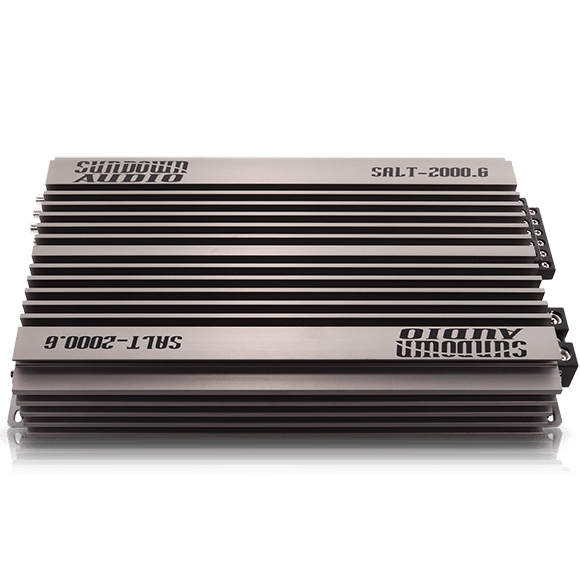
Shop 6 channel amplifiers at JS Ultimate Sounds — one chassis that runs a complete system: front speakers, rear fill, and a bridged subwoofer, without stacking multiple amps in your trunk.
Why a 6-Channel Amp?
A 6-channel is the practical answer when you want a full system but have limited mounting space. Typical configurations:
- Front + rear + bridged sub — four channels to speakers, two bridged into a subwoofer
- Active front stage + rear fill — separate channels for midrange and tweeters, plus rear speakers
- Three-way front stage — midbass, midrange and tweeters each on their own channels
How to Choose
Match each channel's RMS output to the speaker it drives, and check what the amp actually produces when bridged — bridged output is where 6-channel amps differ most. If your subwoofer needs serious power, a dedicated monoblock alongside a 4-channel often delivers more total output for the money than a single 6-channel.
Setting It Up
High-pass your door speakers around 80–100Hz and low-pass the subwoofer channels near 80Hz so each driver plays only what it should — our amp tuning guide walks through gain and crossover setup. Feed it with a true-gauge amp wiring kit; a 6-channel amp draws more current than people expect.
Not sure whether one 6-channel or a two-amp setup suits your build? Message us with your speaker and sub list.