
What is the Big 3 upgrade? It's one of the cheapest, most effective car audio electrical upgrades you can do. The Big 3 upgrade replaces three undersized factory cables with heavy-gauge wire to improve current flow, stabilize voltage and reduce headlight dimming. This guide explains what the Big 3 is, what gauge wire to use, whether it's worth it, and how to do the Big 3 upgrade step by step.

What Is the Big 3 Upgrade in Car Audio?
The Big 3 upgrade adds or replaces three key power and ground cables with thicker, higher-quality wire (usually 1/0 AWG OFC):
- Alternator positive to battery positive — more current to the battery
- Battery negative to chassis/ground — a stronger ground path
- Engine block to chassis — ties the whole ground system together
Together, these three upgrades let your electrical system deliver current to your amplifiers more efficiently.
What Does the Big 3 Upgrade Do?
It reduces voltage drop and electrical resistance, so your amps get more stable voltage under load. The result is less headlight dimming, cleaner power and a charging system that keeps up better with your audio demands. It does not add alternator output — it helps your existing alternator and battery work more efficiently.
Is the Big 3 Upgrade Worth It?
Yes — for almost any system beyond a mild setup, the Big 3 is worth it. It's inexpensive (mostly the cost of wire and terminals), DIY-friendly, and it's the recommended first electrical upgrade before adding a second battery or high-output alternator.
What Gauge Wire for the Big 3 Upgrade?
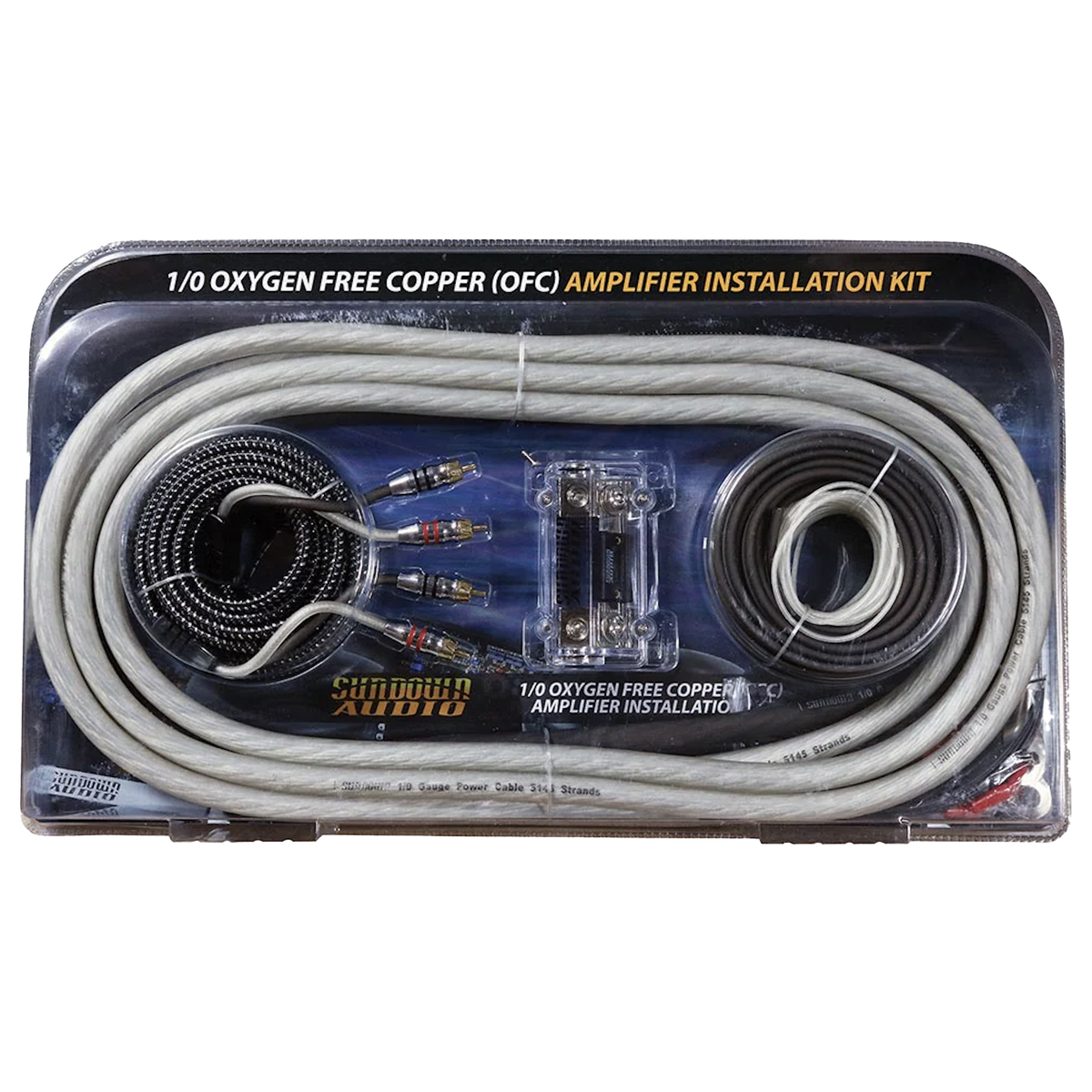
Most installers use 1/0 AWG (0 gauge) OFC wire for the best current capacity, though 4 AWG is acceptable on smaller systems. Always use OFC (oxygen-free copper) over CCA for power upgrades, and match your ring terminals to the wire and stud sizes. Shop heavy-gauge OFC wire and terminals for the job.
How to Do the Big 3 Upgrade (Step by Step)
- Disconnect the negative battery terminal before you start.
- Add alternator-to-battery positive: run new 1/0 wire from the alternator B+ post to the battery positive (keep the factory wire in place; you're adding alongside it). Fuse it near the battery.
- Add battery-to-chassis ground: run new 1/0 wire from the battery negative to a clean, bare metal chassis point.
- Add engine-to-chassis ground: run new 1/0 wire from an engine block bolt to the chassis.
- Crimp/solder quality ring terminals and tighten every connection to bare, clean metal.
- Reconnect the battery and check voltage with the engine running — you should see steadier voltage under load.
Shop Big 3 Wire & Terminals at JS Ultimate Sounds
Get everything for your Big 3 in one place — OFC power and ground wire, ring terminals, fuses and distribution blocks from brands like Sky High Car Audio and Sundown Audio. Planning a bigger electrical upgrade? Pair the Big 3 with a car audio battery for maximum stability.
Big 3 Upgrade FAQ
What is the Big 3 upgrade?
The Big 3 upgrade replaces three factory cables — alternator-to-battery positive, battery-to-chassis ground, and engine-to-chassis ground — with heavy-gauge OFC wire to improve current flow and reduce voltage drop in a car audio system.
Is the Big 3 upgrade worth it?
Yes. It's inexpensive, DIY-friendly, and reduces headlight dimming and voltage drop. It's the recommended first electrical upgrade before adding a second battery or high-output alternator.
What gauge wire should I use for the Big 3?
Most installers use 1/0 AWG (0 gauge) OFC wire for maximum current capacity. 4 AWG OFC is acceptable on smaller systems. Always use oxygen-free copper rather than CCA for power upgrades.
Does the Big 3 upgrade add alternator power?
No. The Big 3 doesn't increase alternator output; it lets your existing alternator and battery deliver current more efficiently by reducing resistance and voltage drop.
Do I need a fuse for the Big 3 upgrade?
Yes. Fuse the new alternator-to-battery positive cable near the battery to protect the circuit. Ground cables do not need a fuse.



Leave a comment
This site is protected by hCaptcha and the hCaptcha Privacy Policy and Terms of Service apply.