
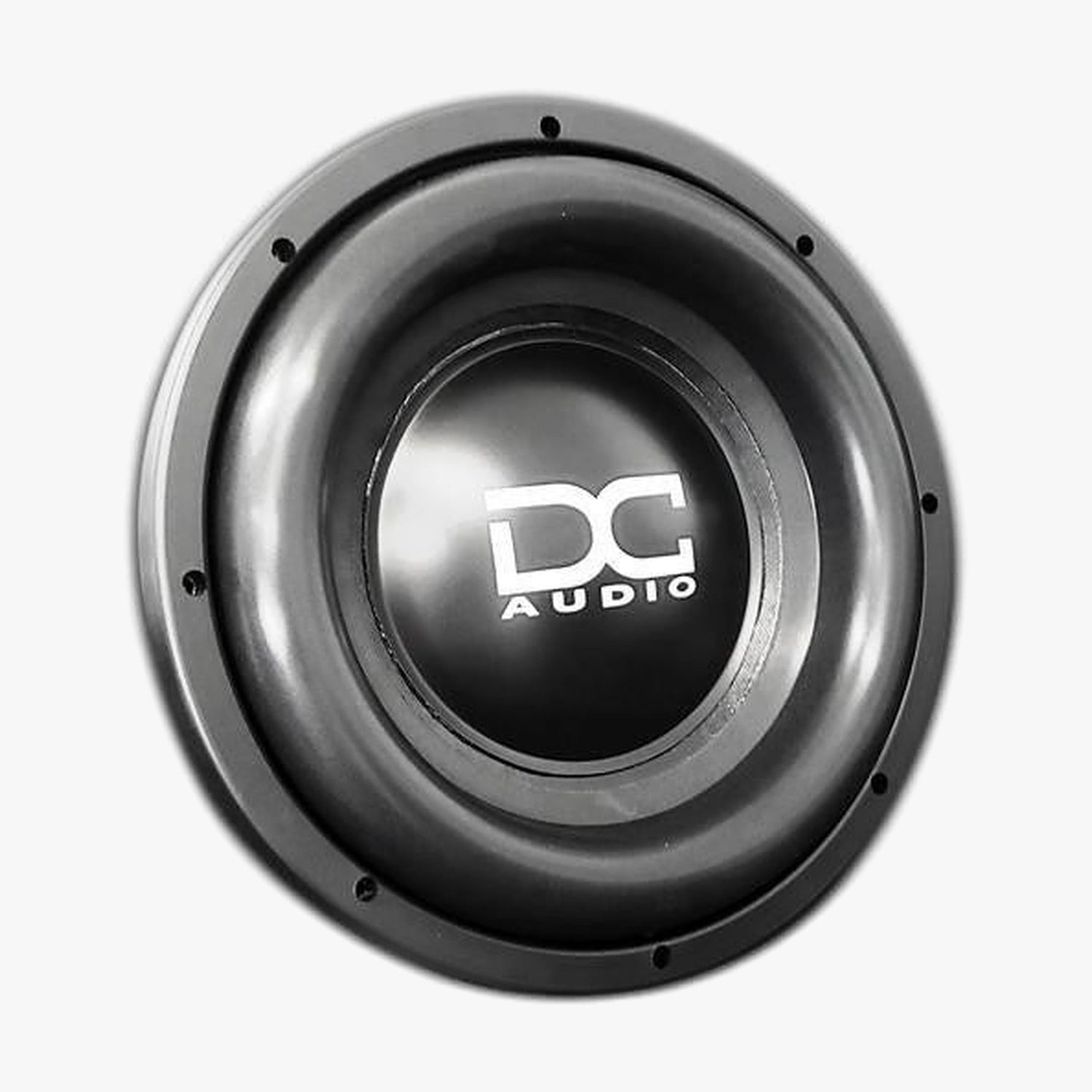
What size subwoofer box do I need? It's the most important question in any bass build — the wrong enclosure can make even a great subwoofer sound weak or boomy. This guide explains subwoofer box size by sub diameter, sealed vs ported volume, tuning, and exactly how to find the right airspace so your sub hits the way it should.

The Short Answer
Every subwoofer has a manufacturer-recommended airspace (in cubic feet) for sealed and ported enclosures — always start there. As a rough rule of thumb, ported boxes need more airspace than sealed and play louder, while sealed boxes are smaller and tighter. The right size depends on your sub size, your sound goal (loud vs accurate), and how much trunk space you have.
Sealed vs Ported: Which Box Do You Need?
- Sealed box: Smaller, tighter, more accurate bass. Great for music, SQ and tight spaces. Easier to build and more forgiving of size.
- Ported (vented) box: Larger, louder, deeper output at the tuned frequency. Best for SPL and bass-heavy music, but requires precise volume and port tuning.
If you want the most output, go ported and tuned around 30-35Hz. If you want clean, musical bass in less space, go sealed.
Subwoofer Box Size by Sub Diameter (Rule of Thumb)
These are typical starting ranges — always confirm with your specific sub's spec sheet:
- 8" sub: ~0.35-0.5 cu ft sealed; ~0.6-0.9 cu ft ported
- 10" sub: ~0.6-1.0 cu ft sealed; ~1.0-1.5 cu ft ported
- 12" sub: ~1.0-1.5 cu ft sealed; ~1.5-2.5 cu ft ported
- 15" sub: ~1.5-2.5 cu ft sealed; ~3.0-4.5 cu ft ported
High-excursion SPL subs often call for more airspace than these ranges — another reason to check the manufacturer spec.
How to Find Your Sub's Recommended Box Size
The most reliable answer is on your subwoofer's spec sheet or product page, which lists recommended sealed and ported airspace and a tuning frequency. Match the net (internal) airspace after subtracting the volume taken up by the sub, port and bracing. If you're building from scratch, see our step-by-step guide on installing a subwoofer.
Box Tuning Frequency
For ported boxes, tuning frequency sets the character: lower tuning (28-30Hz) favors deep, low bass; higher tuning (33-37Hz) is louder and more aggressive on most music. Match tuning to your sub's recommendation and your music.
Pre-Built vs Custom Boxes
A pre-engineered enclosure or loaded box takes the guesswork out — it's built to the sub's correct airspace and tuning. Browse subwoofer enclosures and loaded boxes at JS Ultimate Sounds, or pick a subwoofer and we'll help you match the right box.
Subwoofer Box Size FAQ
What size box do I need for a 12 inch sub?
A 12" subwoofer typically needs about 1.0-1.5 cu ft sealed or 1.5-2.5 cu ft ported, but always confirm with your sub's recommended airspace, since high-excursion subs need more.
Is a ported or sealed box better?
Ported boxes are louder and deeper at the tuned frequency and are best for SPL. Sealed boxes are smaller, tighter and more accurate, making them better for music and limited space.
How do I know my subwoofer's recommended box size?
Check the subwoofer's spec sheet or product page, which lists recommended sealed and ported net airspace (in cubic feet) and a tuning frequency. Use the net internal volume after subtracting the sub, port and bracing.
What is box tuning frequency?
Tuning frequency is the Hz a ported box is built to emphasize. Lower tuning (28-30Hz) gives deeper bass; higher tuning (33-37Hz) is louder on most music. Match it to your sub and music style.
Does box size really matter?
Yes. The enclosure is as important as the subwoofer itself. The wrong size or tuning can make a great sub sound weak or boomy, while the correct box unlocks its full output.

Leave a comment
This site is protected by hCaptcha and the hCaptcha Privacy Policy and Terms of Service apply.